
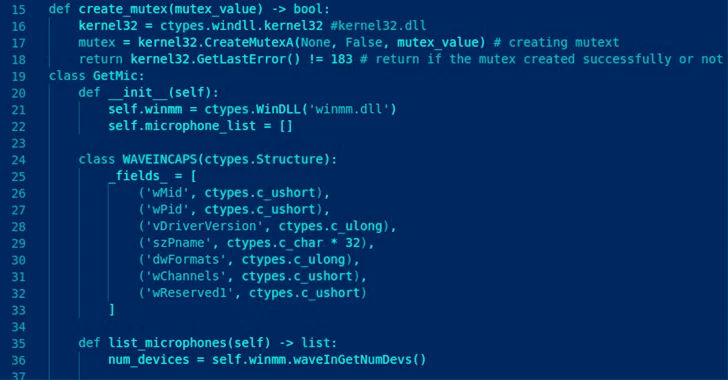
A new information stealer named ExelaStealer has become the latest entrant to an already crowded landscape filled with various off-the-shelf malware designed to capture sensitive data from compromised Windows systems. “ExelaStealer is a largely open-source infostealer with paid customizations available from the threat actor,” Fortinet FortiGuard Labs researcher James Slaughter said in a technical report. Written in Python and incorporating support
Read More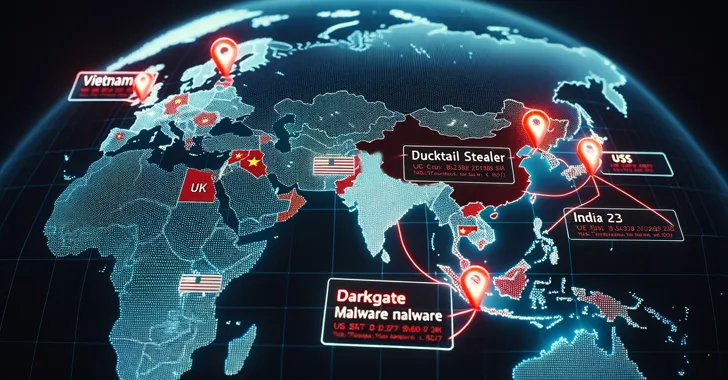
Attacks leveraging the DarkGate commodity malware targeting entities in the U.K., the U.S., and India have been linked to Vietnamese actors associated with the use of the infamous Ducktail stealer. “The overlap of tools and campaigns is very likely due to the effects of a cybercrime marketplace,” WithSecure said in a report published today. “Threat actors are able
Read More
Europol on Friday announced the takedown of the infrastructure associated with Ragnar Locker ransomware, alongside the arrest of a “key target” in France. “In an action carried out between 16 and 20 October, searches were conducted in Czechia, Spain, and Latvia,” the agency said. “The main perpetrator, suspected of being a developer of the Ragnar group,
Read More
The open-source remote access trojan known as Quasar RAT has been observed leveraging DLL side-loading to fly under the radar and stealthily siphon data from compromised Windows hosts. “This technique capitalizes on the inherent trust these files command within the Windows environment,” Uptycs researchers Tejaswini Sandapolla and Karthickkumar Kathiresan said in a report published last week, detailing the malware’s
Read More
Our mission is to educate our customer base, build capacity in every country we operate in and make cyber security affordable to all