

The North Korea-linked Lazarus Group (aka Diamond Sleet and Pompilus) has been observed using Medusa ransomware in an attack targeting an unnamed entity in the Middle East, according to a new report by the Symantec and Carbon Black Threat Hunter Team. Broadcom’s threat intelligence division said it also identified the same threat actors mounting an unsuccessful attack
Read More
The U.S. Cybersecurity and Infrastructure Security Agency (CISA) on Tuesday added a recently disclosed vulnerability in FileZen to its Known Exploited Vulnerabilities (KEV) catalog, citing evidence of active exploitation. The vulnerability, tracked as CVE-2026-25108 (CVSS v4 score: 8.7), is a case of operating system (OS) command injection that could allow an authenticated user to execute arbitrary commands via specially
Read More
The U.S. Cybersecurity and Infrastructure Security Agency (CISA) on Friday added two security flaws impacting Roundcube webmail software to its Known Exploited Vulnerabilities (KEV) catalog, citing evidence of active exploitation. The vulnerabilities in question are listed below – Dubai-based cybersecurity company FearsOff, whose founder and CEO, Kirill Firsov, was credited with discovering and reporting CVE-2025-49113, said attackers
Read More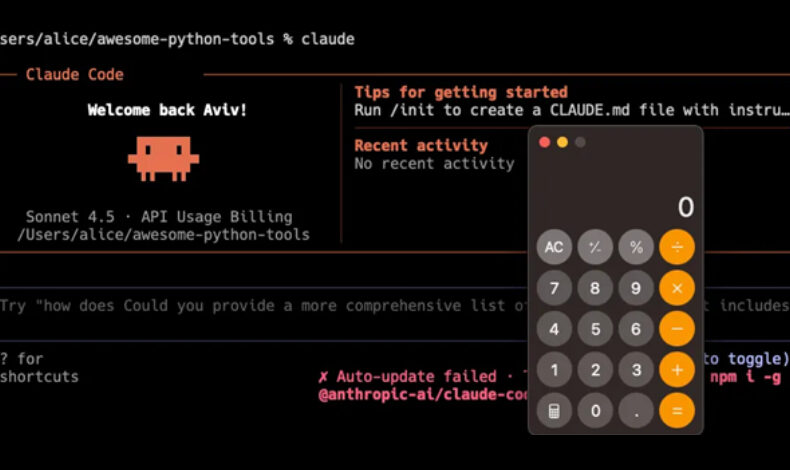
Cybersecurity researchers have disclosed multiple security vulnerabilities in Anthropic’s Claude Code, an artificial intelligence (AI)-powered coding assistant, that could result in remote code execution and theft of API credentials. “The vulnerabilities exploit various configuration mechanisms, including Hooks, Model Context Protocol (MCP) servers, and environment variables – executing arbitrary shell commands and exfiltrating Anthropic API keys when users
Read More
Our mission is to educate our customer base, build capacity in every country we operate in and make cyber security affordable to all