
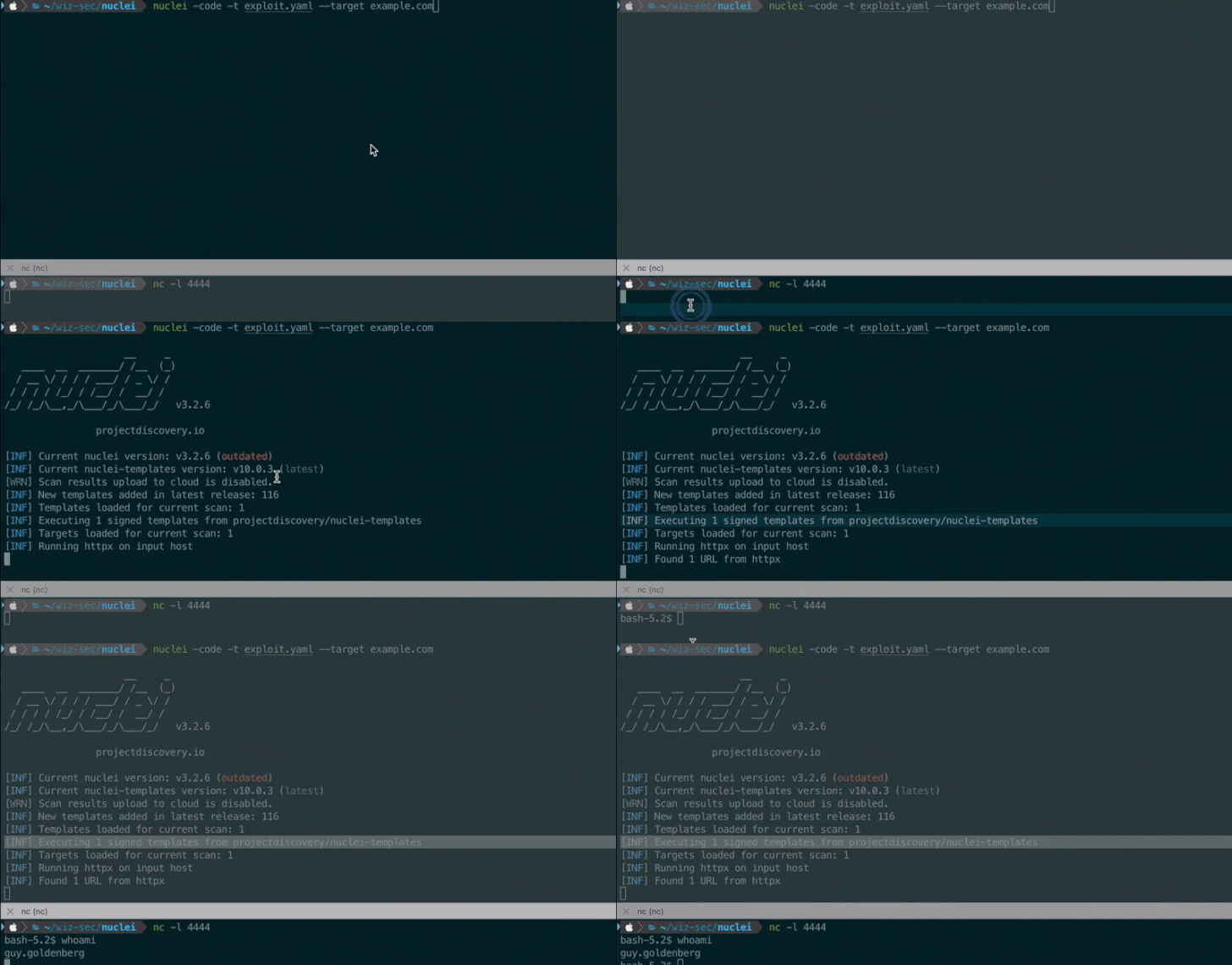
A high-severity security flaw has been disclosed in ProjectDiscovery’s Nuclei, a widely-used open-source vulnerability scanner that, if successfully exploited, could allow attackers to bypass signature checks and potentially execute malicious code. Tracked as CVE-2024-43405, it carries a CVSS score of 7.4 out of a maximum of 10.0. It impacts all versions of Nuclei later than 3.0.0. “The
Read More
In the past year, cross-domain attacks have gained prominence as an emerging tactic among adversaries. These operations exploit weak points across multiple domains – including endpoints, identity systems and cloud environments – so the adversary can infiltrate organizations, move laterally and evade detection. eCrime groups like SCATTERED SPIDER and North Korea-nexus adversaries such as FAMOUS CHOLLIMA exemplify the use of cross-domain
Read More
Details have emerged about three now-patched security vulnerabilities in Dynamics 365 and Power Apps Web API that could result in data exposure. The flaws, discovered by Melbourne-based cybersecurity company Stratus Security, have been addressed as of May 2024. Two of the three shortcomings reside in Power Platform’s OData Web API Filter, while the third vulnerability is rooted in
Read More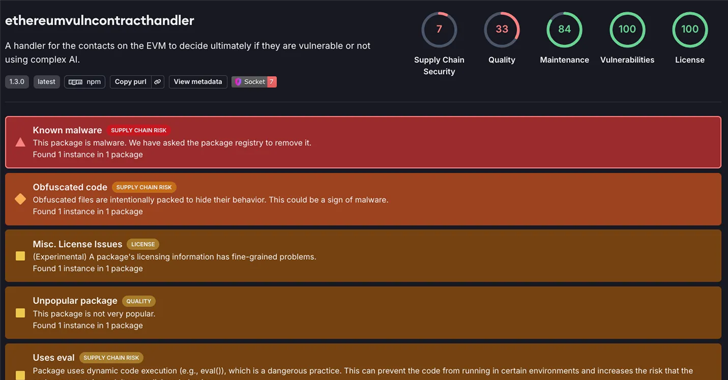
Cybersecurity researchers have discovered a malicious package on the npm package registry that masquerades as a library for detecting vulnerabilities in Ethereum smart contracts but, in reality, drops an open-source remote access trojan called Quasar RAT onto developer systems. The heavily obfuscated package, named ethereumvulncontracthandler, was published to npm on December 18, 2024, by a user
Read More
Our mission is to educate our customer base, build capacity in every country we operate in and make cyber security affordable to all