
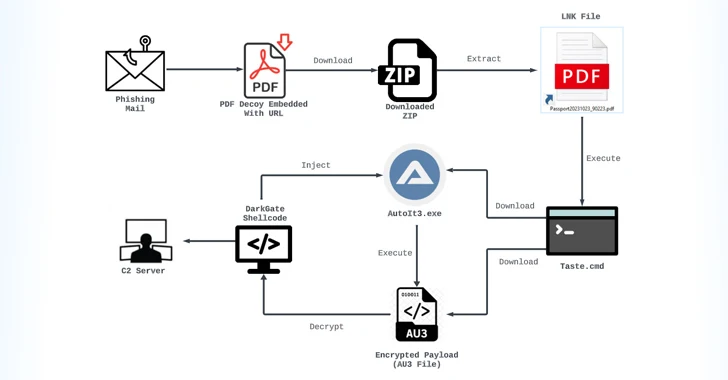
The threat actor known as TA558 has been attributed to a new massive phishing campaign that targets a wide range of sectors in Latin America with the goal of deploying Venom RAT. The attacks primarily singled out hotel, travel, trading, financial, manufacturing, industrial, and government verticals in Spain, Mexico, the United States, Colombia, Portugal, Brazil, Dominican Republic,
Read More
Security vulnerabilities discovered in Dormakaba’s Saflok electronic RFID locks used in hotels could be weaponized by threat actors to forge keycards and stealthily slip into locked rooms. The shortcomings have been collectively named Unsaflok by researchers Lennert Wouters, Ian Carroll, rqu, BusesCanFly, Sam Curry, sshell, and Will Caruana. They were reported to the Zurich-based company in September
Read More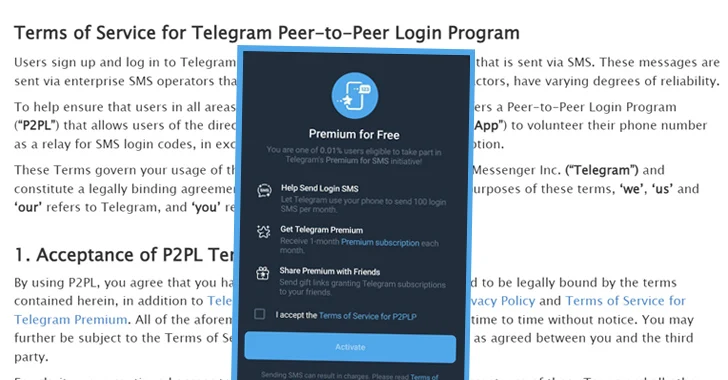
In June 2017, a study of more than 3,000 Massachusetts Institute of Technology (MIT) students published by the National Bureau for Economic Research (NBER) found that 98% of them were willing to give away their friends’ email addresses in exchange for free pizza. “Whereas people say they care about privacy, they are willing to relinquish private data quite easily
Read More
Indian government entities and energy companies have been targeted by unknown threat actors with an aim to deliver a modified version of an open-source information stealer malware called HackBrowserData and exfiltrate sensitive information in some cases by using Slack as command-and-control (C2). “The information stealer was delivered via a phishing email, masquerading as an invitation
Read More
Our mission is to educate our customer base, build capacity in every country we operate in and make cyber security affordable to all