
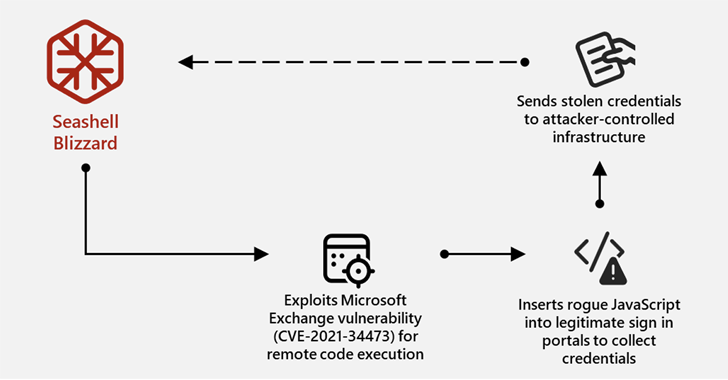
A subgroup within the infamous Russian state-sponsored hacking group known as Sandworm has been attributed to a multi-year initial access operation dubbed BadPilot that stretched across the globe. “This subgroup has conducted globally diverse compromises of Internet-facing infrastructure to enable Seashell Blizzard to persist on high-value targets and support tailored network operations,” the Microsoft Threat Intelligence team said in
Read More
Cisco has released updates to address two critical security flaws Identity Services Engine (ISE) that could allow remote attackers to execute arbitrary commands and elevate privileges on susceptible devices. The vulnerabilities are listed below – An attacker could weaponize either of the flaws by sending a crafted serialized Java object or an HTTP request to an unspecified
Read More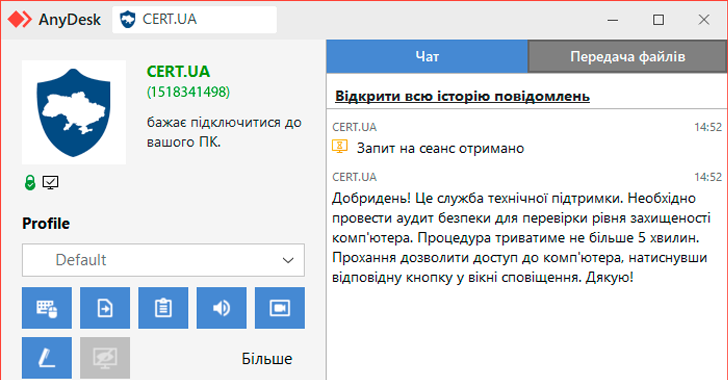
The Computer Emergency Response Team of Ukraine (CERT-UA) is warning of ongoing attempts by unknown threat actors to impersonate the cybersecurity agency by sending AnyDesk connection requests. The AnyDesk requests claim to be for conducting an audit to assess the “level of security,” CERT-UA added, cautioning organizations to be on the lookout for such social
Read More
Cybersecurity researchers have revealed several malicious packages on the npm registry that have been found impersonating the Nomic Foundation’s Hardhat tool in order to steal sensitive data from developer systems. “By exploiting trust in open source plugins, attackers have infiltrated these platforms through malicious npm packages, exfiltrating critical data such as private keys, mnemonics, and
Read More
Our mission is to educate our customer base, build capacity in every country we operate in and make cyber security affordable to all