
The Russia-linked state-sponsored threat actor tracked as APT28 has been attributed to a new campaign targeting specific entities in Western and Central Europe. The activity, per S2 Grupo’s LAB52 threat intelligence team, was active between September 2025 and January 2026. It has been codenamed Operation MacroMaze. “The campaign relies on basic tooling and the exploitation of legitimate services for infrastructure
Read More
Anthropic on Monday said it identified “industrial-scale campaigns” mounted by three artificial intelligence (AI) companies, DeepSeek, Moonshot AI, and MiniMax, to illegally extract Claude’s capabilities to improve their own models. The distillation attacks generated over 16 million exchanges with its large language model (LLM) through about 24,000 fraudulent accounts in violation of its terms of
Read More
SolarWinds has released updates to address four critical security flaws in its Serv-U file transfer software that, if successfully exploited, could result in remote code execution. The vulnerabilities, all rated 9.1 on the CVSS scoring system, are listed below – SolarWinds noted that the vulnerabilities require administrative privileges for successful exploitation. It also said that they carry
Read More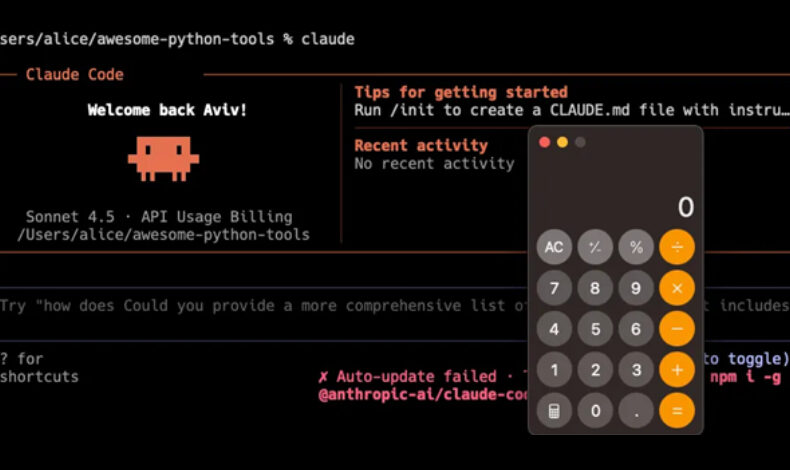
Cybersecurity researchers have disclosed multiple security vulnerabilities in Anthropic’s Claude Code, an artificial intelligence (AI)-powered coding assistant, that could result in remote code execution and theft of API credentials. “The vulnerabilities exploit various configuration mechanisms, including Hooks, Model Context Protocol (MCP) servers, and environment variables – executing arbitrary shell commands and exfiltrating Anthropic API keys when users
Read More
Our mission is to educate our customer base, build capacity in every country we operate in and make cyber security affordable to all