

The threat actor known as Transparent Tribe has been attributed to a fresh set of attacks targeting Indian governmental, academic, and strategic entities with a remote access trojan (RAT) that grants them persistent control over compromised hosts. “The campaign employs deceptive delivery techniques, including a weaponized Windows shortcut (LNK) file masquerading as a legitimate PDF
Read More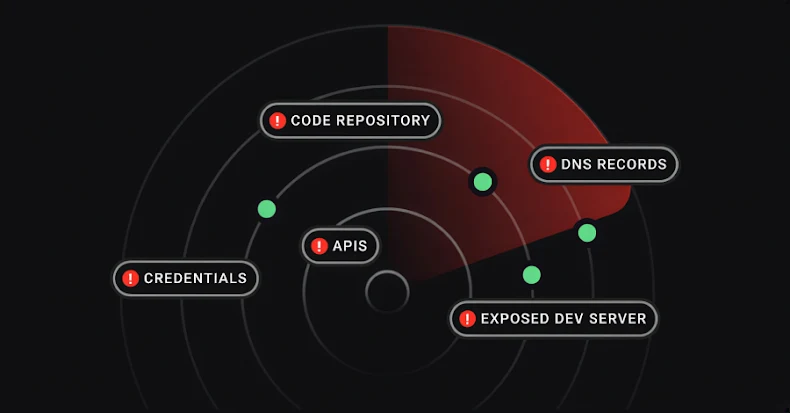
Attack Surface Management (ASM) tools promise reduced risk. What they usually deliver is more information. Security teams deploy ASM, asset inventories grow, alerts start flowing, and dashboards fill up. There is visible activity and measurable output. But when leadership asks a simple question, “Is this reducing incidents?” the answer is often unclear. This gap between
Read More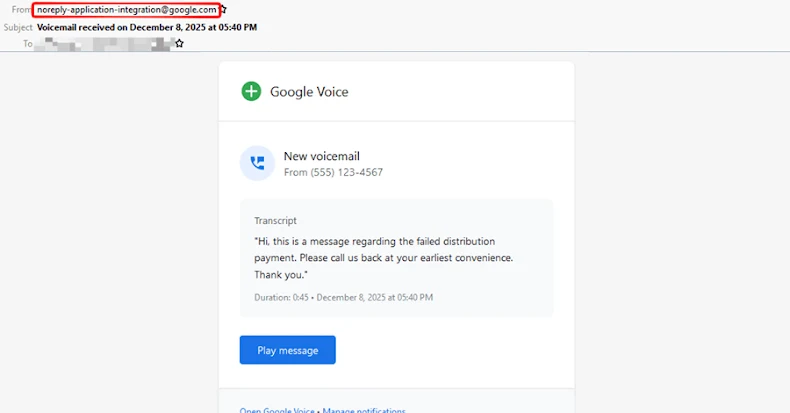
Cybersecurity researchers have disclosed details of a phishing campaign that involves the attackers impersonating legitimate Google-generated messages by abusing Google Cloud’s Application Integration service to distribute emails. The activity, Check Point said, takes advantage of the trust associated with Google Cloud infrastructure to send the messages from a legitimate email address (“noreply-application-integration@google[.]com”) so that they can bypass
Read More
Cybersecurity researchers have disclosed details of a persistent nine-month-long campaign that has targeted Internet of Things (IoT) devices and web applications to enroll them into a botnet known as RondoDox. As of December 2025, the activity has been observed leveraging the recently disclosed React2Shell (CVE-2025-55182, CVSS score: 10.0) flaw as an initial access vector, CloudSEK said in an analysis.
Read More
Our mission is to educate our customer base, build capacity in every country we operate in and make cyber security affordable to all