

A critical security flaw has been disclosed in Grist‑Core, an open-source, self-hosted version of the Grist relational spreadsheet-database, that could result in remote code execution. The vulnerability, tracked as CVE-2026-24002 (CVSS score: 9.1), has been codenamed Cellbreak by Cyera Research Labs. “One malicious formula can turn a spreadsheet into a Remote Code Execution (RCE) beachhead,” security researcher Vladimir Tokarev, who
Read More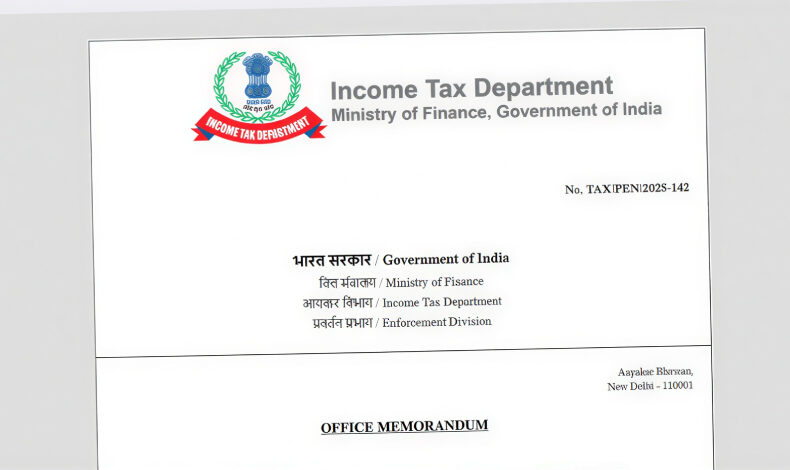
Cybersecurity researchers have discovered an ongoing campaign that’s targeting Indian users with a multi-stage backdoor as part of a suspected cyber espionage campaign. The activity, per the eSentire Threat Response Unit (TRU), involves using phishing emails impersonating the Income Tax Department of India to trick victims into downloading a malicious archive, ultimately granting the threat actors
Read More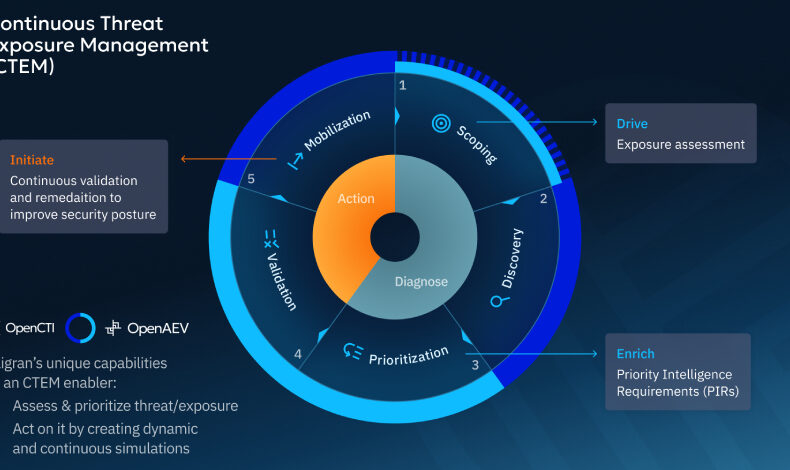
Cybersecurity teams increasingly want to move beyond looking at threats and vulnerabilities in isolation. It’s not only about what could go wrong (vulnerabilities) or who might attack (threats), but where they intersect in your actual environment to create real, exploitable exposure. Which exposures truly matter? Can attackers exploit them? Are our defenses effective? Continuous Threat
Read More
Cisco has released updates to address a medium-severity security flaw in Identity Services Engine (ISE) and ISE Passive Identity Connector (ISE-PIC) with a public proof-of-concept (PoC) exploit. The vulnerability, tracked as CVE-2026-20029 (CVSS score: 4.9), resides in the licensing feature and could allow an authenticated, remote attacker with administrative privileges to gain access to sensitive
Read More
Our mission is to educate our customer base, build capacity in every country we operate in and make cyber security affordable to all